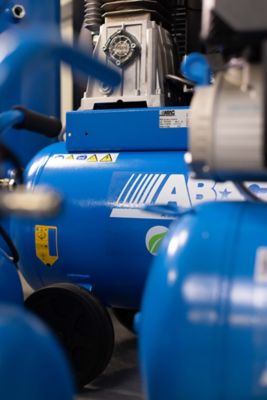



The regulator controls and stabilizes pressure, while the gauge displays the current pressure level. Both are typically combined in an air compressor regulator with gauge.
Air Compressor Air Pressure Regulator: Selection, Control, and Setup Guide
An air compressor air pressure regulator is a critical component in any compressed air system. It ensures that downstream equipment receives a stable and controlled pressure level, regardless of fluctuations in the supply.
Without proper air pressure control, systems can experience inconsistent performance, increased wear, and unnecessary energy consumption. An air regulator compressor acts as the control point that adjusts pressure to match the requirements of each application.
This guide explains how to size an air pressure regulator with gauge, how the gauge supports monitoring, and how to properly set up an air pressure controller in a compressed air system.
Table of Contents
What Is an Air Pressure Regulator?
An air pressure regulator is a device that reduces and maintains compressed air pressure at a defined level downstream of the compressor.
Compressed air systems often deliver air at higher pressure than required. The regulator ensures that air tools and processes receive only the pressure they need, improving stability, safety, and efficiency.
In practice, an air compressor regulator with gauge includes:
- A control knob to set pressure
- A diaphragm or valve mechanism
- A gauge to monitor output pressure
Why an Air Pressure Controller Is Essential
An air pressure controller (regulator) plays a key role in:
- Maintaining consistent output pressure
- Protecting tools from overpressure
- Reducing energy consumption
- Improving process repeatability
Stable regulation ensures that air-powered tools operate correctly and prevents damage linked to pressure fluctuations.
How to Size an Air Pressure Regulator
Correct sizing is essential for performance and reliability. Selecting an undersized regulator can lead to pressure drops, while oversizing may reduce control accuracy.
Key Sizing Factors
1. Flow rate (air demand)
The regulator must handle the required airflow (e.g. m³/h, l/s, cfm).
- Match or exceed peak demand
- Consider simultaneous tool usage
2. Inlet and outlet pressure
- Inlet pressure: from the compressor or line
- Outlet pressure: required by the application
A regulator must operate within both ranges to maintain stable control.
3. Pressure range and control accuracy
Choose a regulator with a suitable adjustment range for the application.
4. Application type
- General-purpose tools
- High-flow applications
- Precision processes
Practical Tip
Ensure the regulator maintains pressure even during airflow demand peaks. Pressure drop under load is a common issue when the regulator is undersized.
The Role of the Pressure Gauge
An air pressure regulator with gauge provides real-time visibility of the regulated output pressure.
Why The Gauge Matters
- Displays the downstream pressure setting
- Helps fine-tune pressure adjustments
- Confirms system stability during operation
The gauge shows the controlled pressure, not the tank pressure, which is typically higher.
Types Of Gauges
- Analog dial gauges (most common)
- Digital gauges (for precise monitoring)
Using the correct gauge range improves readability and accuracy.
Air Compressor Regulator Setup and Installation
Correct installation ensures reliable pressure regulation and long-term performance.
Basic Setup Guidelines
1. Install at the point of use
Regulators are typically installed close to tools or process points to ensure accurate pressure control.
2. Place after filtration (if present)
Installing a filter before the regulator helps protect internal components and improves lifespan.
3. Check flow direction
Follow inlet and outlet markings to ensure proper operation.
4. Use sealing and secure connections
Proper sealing prevents leaks and ensures stable pressure.
5. Adjust pressure gradually
Set the pressure while air is flowing to ensure accurate working conditions.
System Placement
A compressed air system may include:
- Compressor
- Air treatment (filters/dryers)
- Air pressure controller (regulator)
- End-use equipment
The regulator should be positioned before the equipment it serves to provide precise control.
Common Mistakes to Avoid
Selecting a regulator based only on port size
- Ignoring flow requirements
- Setting pressure without load conditions
- Installing too far from the point of use
- Not using a gauge for monitoring
Avoiding these issues ensures better system performance and longer equipment life.
Common Questions About Pressure Regulators for Compressed Air
Select based on required flow rate, inlet and outlet pressure range, and application type. Proper sizing ensures consistent performance without pressure drop.
It should be installed close to the point of use, after filtration components if present, to ensure precise pressure control for the connected equipment.
Possible causes include undersized regulator, excessive airflow demand, incorrect setup, or lack of proper adjustment under load conditions.