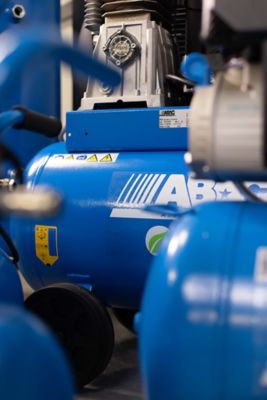



Yes. Winter preparation is a good opportunity to inspect the intake filter, oil, receiver drain, dryer, hoses and air lines. Scheduled maintenance should always be completed according to the equipment instructions and recommended service intervals.
Prepare Your Air Compressor Before Temperatures Drop
Cold weather can be challenging for an air compressor, especially when the equipment is installed in an unheated workshop, garage or area exposed to changing temperatures.
Low temperatures may affect lubrication during startup, while moisture inside the compressed air system can collect and freeze in exposed drains or air lines. Preparing the compressor before winter can help you identify small problems early and reduce the risk of unexpected interruptions.
Use this practical winter maintenance checklist to examine the compressor and the wider compressed air installation before temperatures fall.
Start With A Visual Inspection
Begin by looking carefully at the compressor and the surrounding area. You do not need to dismantle the equipment to identify many common warning signs.
Check for:
- Oil leaks
- Damaged hoses
- Loose connections
- Signs of corrosion
- Excessive dust or dirt
- Blocked ventilation openings
- Visible signs of wear
- Unusual moisture around the compressor
If something appears damaged or different from normal, investigate the issue before continuing to operate the compressor. Addressing a small problem early is usually easier than dealing with an unexpected shutdown later.
Check The Intake Filter
The intake filter helps prevent dust and other airborne particles from entering the compressor. Over time, collected dirt can restrict the airflow and affect compressor performance.
Inspect the filter and replace it when required. A filter should not be kept in use beyond the recommended maintenance interval simply because the compressor still appears to be operating normally.
Keep the area around the air intake clean and make sure stored objects are not blocking the filter or restricting the flow of air.
Inspect The Oil Level And Condition
If you use a lubricated compressor, check the oil level and condition before winter begins.
The oil level should remain within the indicated range. Oil that appears contaminated, unusually dark or different from normal may indicate that maintenance is required.
Always use a lubricant suitable for the specific compressor and its operating conditions. Do not mix different lubricants unless this is explicitly permitted in the equipment instructions.
Because low temperatures can affect how the lubricant flows during startup, the compressor should always be operated within its permitted ambient temperature range.
Drain The Air Receiver
Moisture can collect inside the air receiver during normal operation. This condensate needs to be discharged at the required intervals.
Check that the receiver drain is functioning correctly and that the discharge line is not blocked. If the compressor has an automatic drain, inspect it regularly rather than assuming that it is always operating correctly.
Condensate should not be allowed to remain inside exposed parts of the system during freezing conditions.
Always follow the prescribed safety procedures before draining or inspecting a pressurised air receiver. Maintenance must only be performed after the equipment has been isolated and depressurised as required.
Inspect The Dryer And Water Separator
If the compressed air installation includes a dryer or water separator, include these components in the winter maintenance check.
Look for:
- Excessive water
- Blocked drains
- Damaged discharge lines
- Contaminated filters
- Active alarms
- Abnormal operating conditions
Effective air treatment helps prevent moisture from travelling through the distribution system and reaching air tools, equipment or processes.
Filters and separators should be maintained according to their specified service intervals.
Test The Condensate Drains
Condensate may collect in several parts of a compressed air installation, including the receiver, dryer, filters and distribution lines.
Check both automatic and manual drains to confirm that water can leave the system correctly. Pay particular attention to drain lines installed outdoors or in unheated areas.
Water inside an exposed drain can freeze when the temperature drops below freezing. A frozen drain may become blocked and prevent moisture from being removed from the system.
Look For Air Leaks
An air leak releases compressed air before it reaches the point of use. This may cause the compressor to operate more frequently or for longer periods to maintain the required pressure.
Listen for hissing sounds around:
- Hoses
- Fittings
- Couplings
- Valves
- Pipe connections
- Air tools
Unexpected pressure loss when compressed air is not being used may also indicate a leak.
Before inspecting or repairing a suspected leak, isolate and depressurise the relevant part of the system according to the applicable safety instructions.
Check Exposed Air Lines
Air lines installed outdoors or in unheated areas require additional attention during winter.
Inspect these sections for damaged insulation, corrosion and low points where water may collect. Make sure that condensate can be removed correctly and that the drains are accessible for inspection.
If water remains inside exposed piping, it may freeze and restrict the flow of compressed air. Frozen condensate may also prevent valves or drains from functioning correctly.
Keep The Compressor Area Clean
A clean installation area makes inspection and maintenance easier. It also helps ensure that air can circulate correctly around the compressor.
Remove unnecessary objects, dust and debris from the area. Make sure ventilation openings and air intakes remain clear.
Do not cover the compressor or block its ventilation openings in an attempt to protect it from the cold. The compressor produces heat while operating and still requires adequate airflow for cooling.
Check The Maintenance Schedule
Review the compressor’s maintenance schedule before winter begins. Confirm whether any filters, lubricants, service components or other maintenance items are due for replacement.
Completing planned maintenance before temperatures drop can help avoid having to carry out unnecessary work in more difficult conditions.
Maintenance involving internal parts, electrical systems or safety devices should be performed by appropriately qualified personnel.
Common Questions
This depends on the permitted ambient temperature range of the compressor. Check the equipment documentation before operating it in an unheated environment. Exposed drains and air lines may also require protection against freezing.
Drain the air receiver regularly and inspect the dryer, water separator and air-line drains. Confirm that automatic drains are functioning correctly and do not allow condensate to remain inside exposed parts of the system.